M.Sc Microbiology – Master of Science in Microbiology

Building Expertise in Microbial Science, Research & Biotechnology

  • 2 Years M.Sc. Degree
  • Post-Graduate
  • Research & Industry Exposure
  • Laboratory & Research Projects
  • University Recognized

Department of Microbiology

Microbial Research & Biotechnological Advancements

A Master of Science in Microbiology (M.Sc. Microbiology) is an advanced postgraduate program focused on the study of microorganisms, including bacteria, viruses, fungi, and protozoa, and their applications in medicine, agriculture, industry, and environmental management. The curriculum bridges rigorous laboratory research with practical industrial applications, equipping students for careers in pharmaceuticals, clinical diagnostics, biotechnology firms, food processing, and research organizations.

image
2 Years Duration
4 Semesters Semesters
Offline Mode
B.Sc. Microbiology/Life Science Eligibility

Eligibility Criteria

01

Educational Qualification

Candidates should hold a B.Sc. in Microbiology, Biotechnology, Biology, Life Sciences, or a related discipline.

02

Minimum Marks

Minimum qualifying marks requirements as prescribed by the respective University/Approval Body for the selected course.

03

Entrance Exam

Admission is generally based on valid scores in national or state-level entrance tests or Direct Admission.

04

Age Limit

Candidates must satisfy any age requirements prescribed by the applicable admission authority.

Admission Process

01

Check Eligibility

Ensure you meet the eligibility criteria for M.Sc. Microbiology.

02

Apply for Admission

Complete the Alpine admission application form online or at the campus.

03

Submit Documents

Provide your academic certificates, ID proof, photographs, and other required documents.

04

Admission Evaluation

Your application will be evaluated based on the applicable admission criteria.

05

Counselling & Verification

Complete counselling and document verification as required.

06

Pay Fees & Confirm Admission

Pay the applicable fees and complete the admission formalities to confirm your seat.

Curriculum That Builds Careers

General Microbiology & Microbial Physiology
Medical Microbiology & Clinical Diagnostics
Microbial Genetics & Molecular Biology
Industrial & Fermentation Technology
Recombinant DNA Technology & Genetic Engineering
Agricultural & Environmental Microbiology
Food & Dairy Microbiology
Immunology & Research Dissertation

Core Skills You'll Master

Aseptic & Culture Techniques

Master sterile media preparation, pure culture isolation, and advanced microbial culturing methodologies.

Clinical Diagnostics

Gain hands-on expertise in identifying pathogenic microorganisms and performing diagnostic clinical tests.

Molecular & Genetic Engineering

Learn DNA extraction, PCR amplification, recombinant techniques, and genetic manipulation procedures.

Industrial Fermentation

Understand bioreactor operations, enzyme production, and scale-up processes for industrial applications.

Immunological Assays

Develop proficiency in ELISA, antibody-antigen reactions, and immunological testing procedures.

Microscopy & Staining

Build expertise in advanced light and electron microscopy along with various microbial staining protocols.

CAREER OPPORTUNITIES

Where This Degree Can Take You

01 Clinical Microbiologist / Diagnostic Specialist
02 Research Scientist (R&D)
03 Pharmaceutical Microbiologist
04 Quality Control (QC) / Quality Assurance Analyst
05 Industrial Biotechnologist
06 Food & Dairy Microbiologist
07 Environmental / Pollution Control Microbiologist
08 Clinical Research Associate (CRA)
Up To

59 LPA

Expected Salary
After Graduation

Earning Potential
Career Opportunities

Areas you can work in

Pharmaceutical & Biopharmaceutical Industries
Clinical Diagnostic Laboratories & Hospitals
Food and Beverage Processing & Packaging Units
Agricultural Research & Bio-fertilizer Production Firms
Environmental Monitoring & Pollution Control Agencies
Biotechnology Research & Development (R&D) Laboratories
Brewing, Distilling & Fermentation Industries
Academic & Government Research Institutions (CSIR, ICMR, ICAR)
Cosmetic & Healthcare Product Manufacturing Companies
Quality Control & Regulatory Compliance Organizations

Apply Now

Fill this form and our team will get in touch with you.

🇮🇳 +91
TOP RECRUITERS

Launch Your Career with Top Employers

Facilities

Computer labs
cafeteria
Medical Support
Sports
Hostel
Library
Transportation

Facilities

Library
Library
Library
Library
Library
Library
Computer
Labs
Medical
Support
Career Opportunities

Learning Experiences at Campus

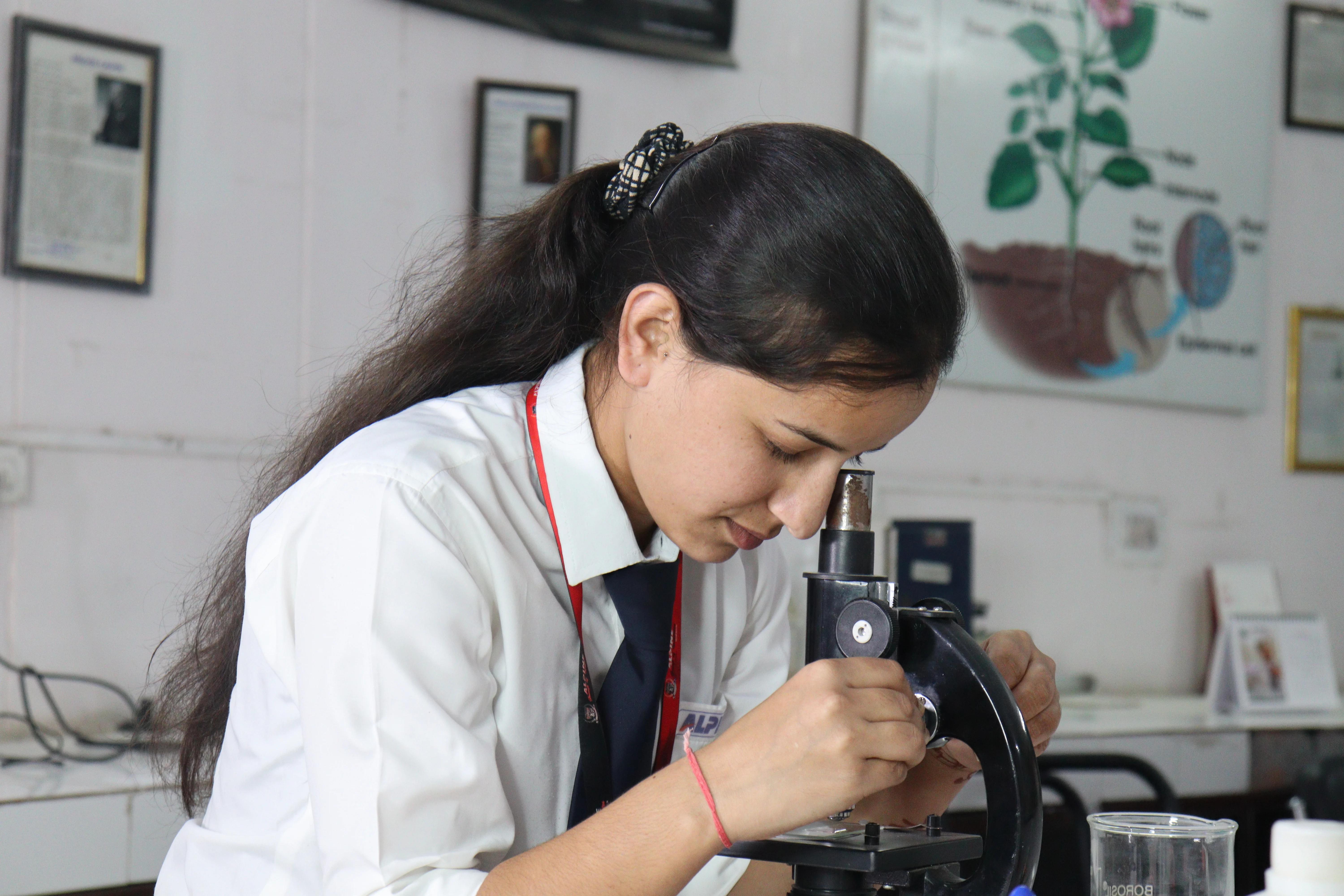
An M.Sc. Microbiology student examining a specimen using a compound microscope at AIMT College

M.Sc. Microbiology student analyzing samples under a microscope in the laboratory
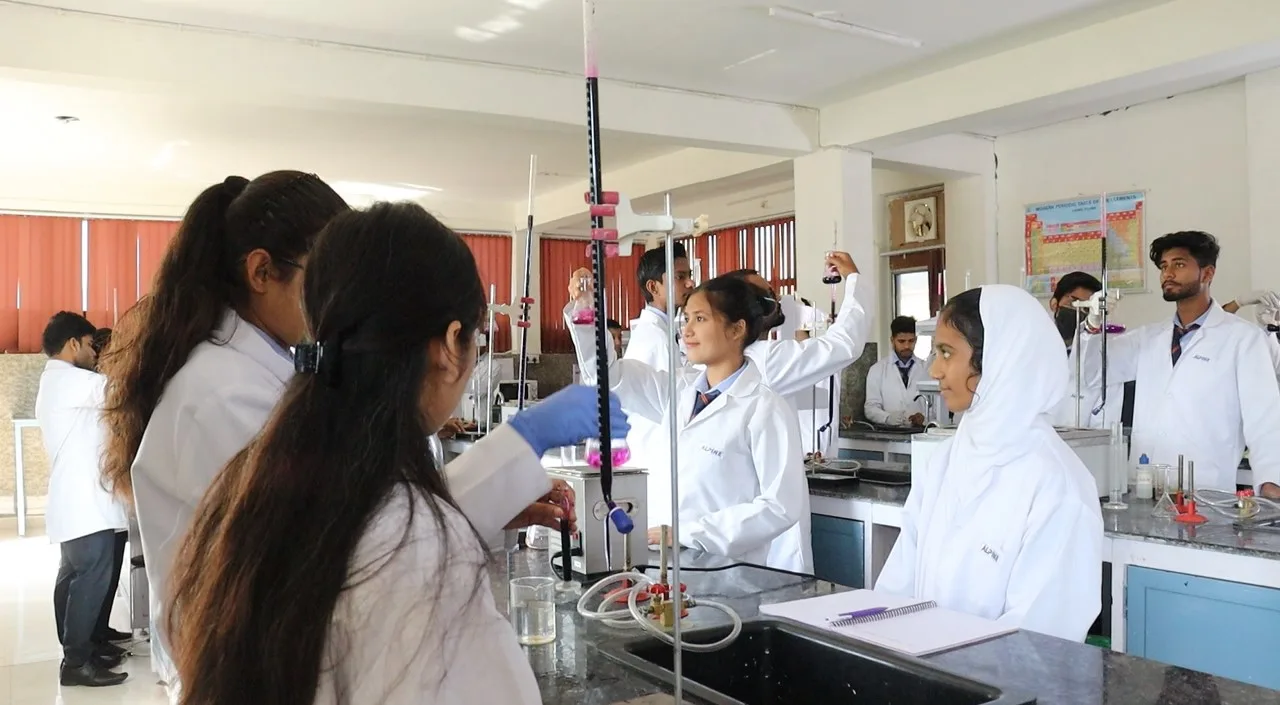
M.Sc. Microbiology students working with burettes and conical flasks during a laboratory practical class

M.Sc. Microbiology students conducting chemical experiments and titration practicals

M.Sc. Microbiology students examining specimen slides under a microscope in the science lab

M.Sc. Microbiology students observing slides through a microscope during practical work

An M.Sc. Microbiology student adjusting a microscope to study samples in the laboratory

M.Sc. Microbiology student focused on microscopic observation during practical training

M.Sc. Microbiology students working at laboratory stations equipped with microscopes and glassware

M.Sc. Microbiology students engaged in practical experiments inside the science laboratory

A row of compound microscopes arranged on a laboratory workbench for M.Sc. Microbiology practical classes

Close-up view of multiple compound microscopes ready for student practical sessions

M.Sc. Microbiology student analyzing samples under a microscope in the laboratory

M.Sc. Microbiology student analyzing samples under a microscope in the laboratory

M.Sc. Microbiology students conducting chemical experiments and titration practicals
M.Sc. Microbiology students conducting chemical experiments and titration practicals

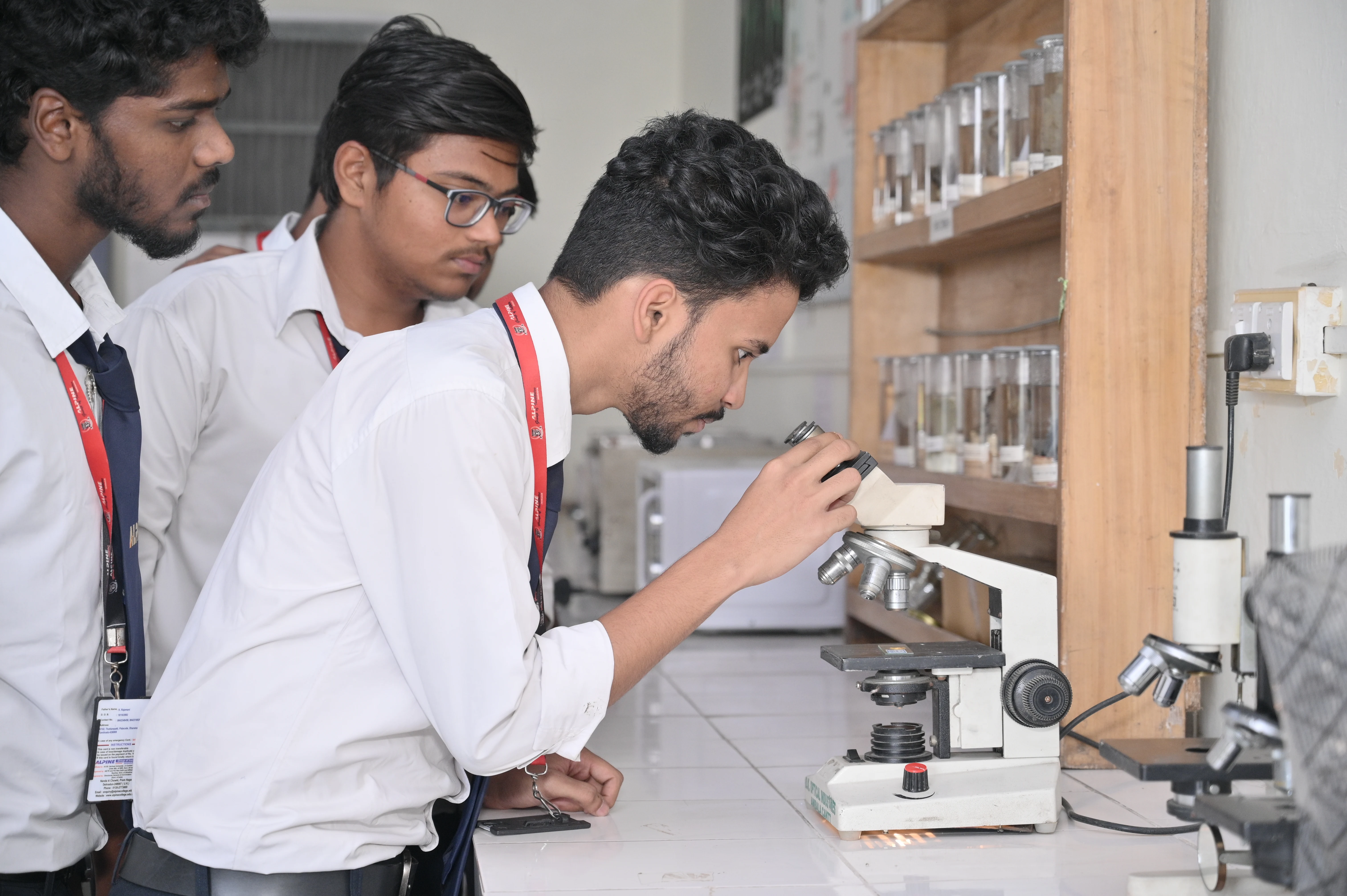
M.Sc. Microbiology students observing slides through a microscope during practical work
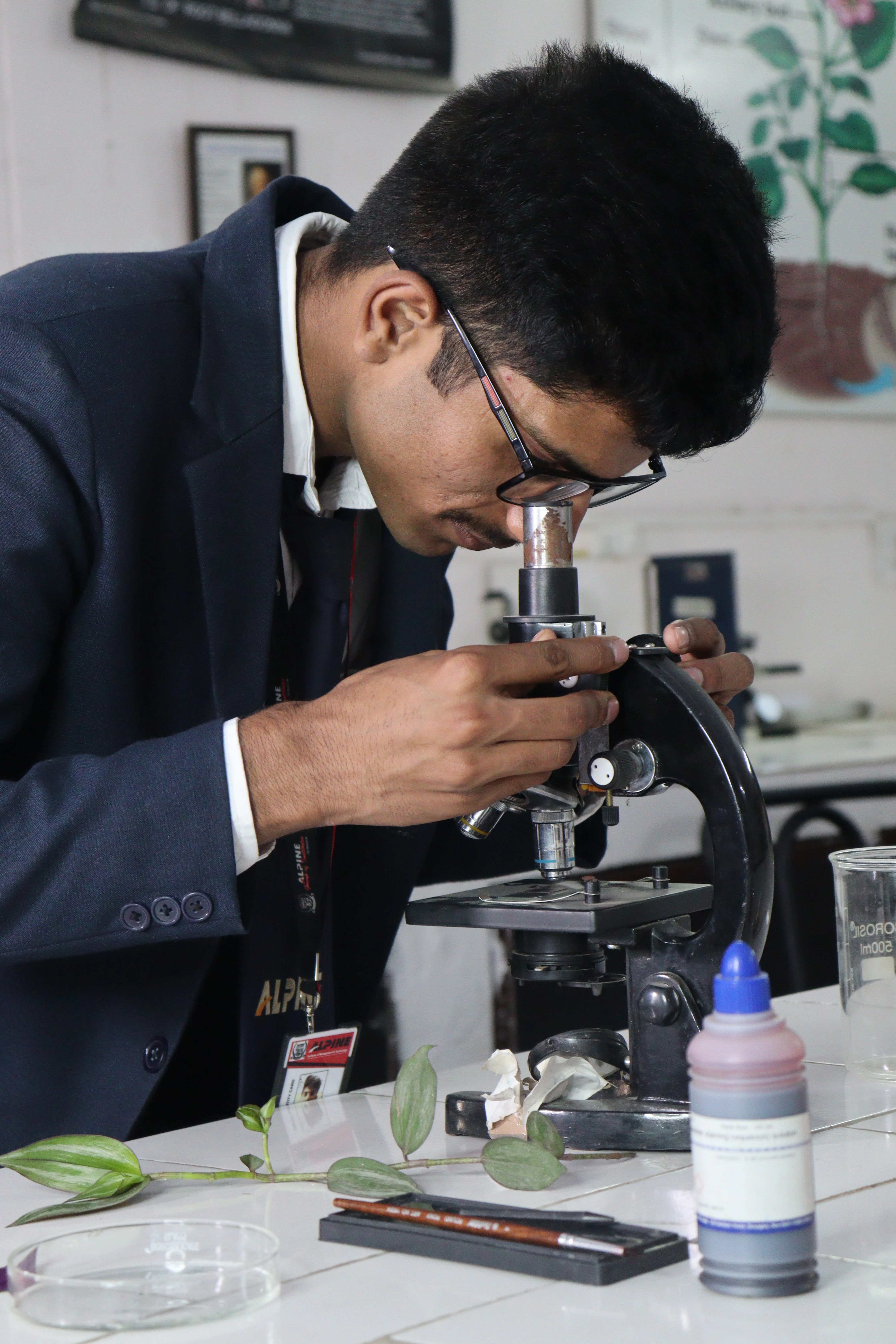
M.Sc. Microbiology students observing slides through a microscope during practical work

M.Sc. Microbiology student focused on microscopic observation during practical training
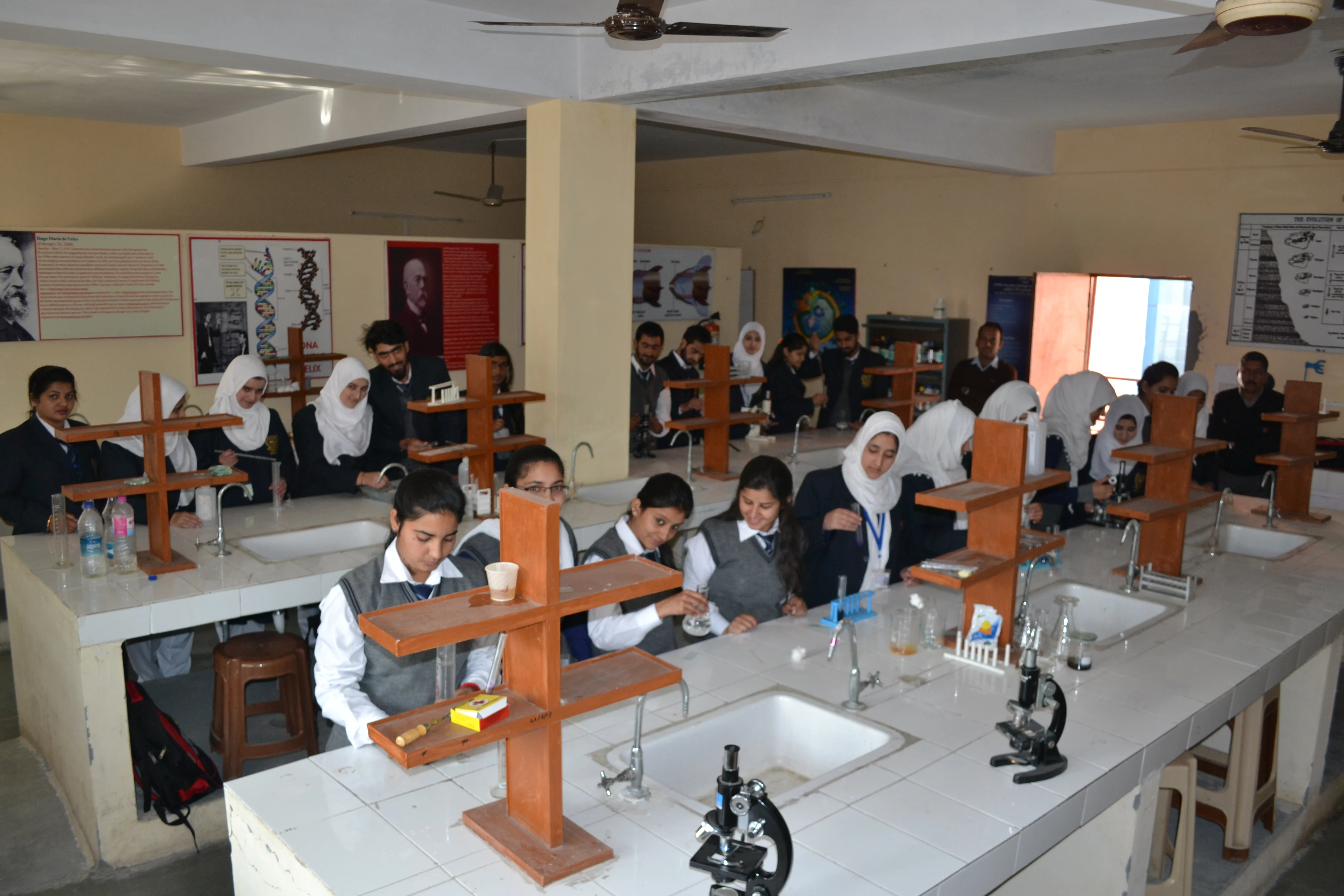
M.Sc. Microbiology student focused on microscopic observation during practical training

M.Sc. Microbiology students engaged in practical experiments inside the science laboratory
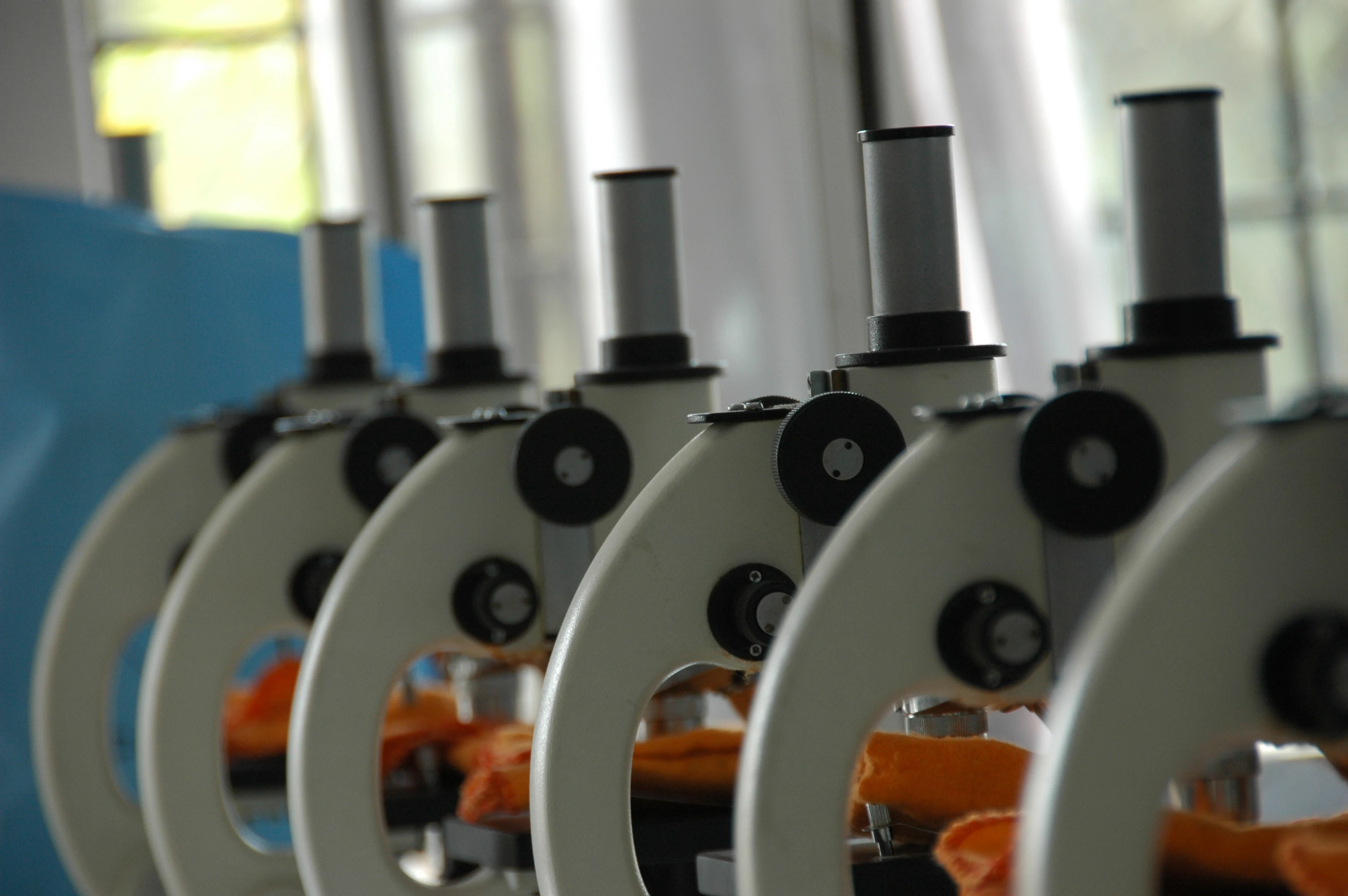
M.Sc. Microbiology students engaged in practical experiments inside the science laboratory

Close-up view of multiple compound microscopes ready for student practical sessions

Close-up view of multiple compound microscopes ready for student practical sessions

Eligibility

Who Can Apply

Graduation Degree

Completed a Bachelor's degree in Life Sciences, Medical, Biological, or Agricultural Sciences.

Minimum Percentage

Secured a minimum aggregate score of 50% to 55% marks in the qualifying undergraduate degree.

Scientific Aptitude

Candidates with a keen interest in microbial research, diagnostics, and biotechnological applications.

Accepted Disciplines

Graduates in Microbiology, Biotechnology, Biochemistry, Genetics, Botany, Zoology, or allied fields.

Admission Criteria

Admissions based on qualifying undergraduate degree merit or institutional entrance test scores.

Frequently Asked Questions

Still couldn’t find an answer to your query? Don't worry feel free to contact us directly adn we'll help you out.

Contact Us

Among aspirants who wish to work in medical, pharmaceutical, food and beverages, microbiology has become extremely popular as a relatively young and developing area. The field offers enormous prospects across several industries and covers diverse aspects of medicine, virology, pharmacy, and other domains. If you want to progress in your career, especially as a microbiologist, you must pursue a postgraduate degree such as an M.Sc. in microbiology. You will study a wide selection of core and elective subjects that will enable you to develop a successful career in microbiology, providing both theoretical and practical knowledge of the field. Microbiology master’s degree holders can find work in a range of sectors and companies i.e. academic institution, research centers, labs, agricultural and biotechnology research, pharmaceutical companies, and medical firms. You can also work as an assistant professor, research scientist, quality control officer, R&D scientist, science writer, or any combination of these positions after earning M.Sc. in Microbiology.

The curriculum of a microbiology course covers the study of bacteria and how they affect ecosystem and human health. Throughout this curriculum, the students will obtain profound understanding of the many characteristics, applications, and handling of microorganisms. Apart from their roles in agriculture, bacteria, viruses, fungi, and algae are also essential for the bioremediation of hazardous pollutants, microbial waste management, water treatment plants, and various other commercial activities like oil recovery and biogas generation included in M.Sc. Microbiology programmes. With a degree in microbiology, you can gain expertise in the aforementioned fields and find employment in a variety of settings, including pharmaceutical companies, forensic science labs, healthcare organizations, higher education establishments, food and beverage companies, and publicly funded research organizations.

The master’s programme in Microbiology, M.Sc., lasts two years (4 Semesters). The prerequisites for enrolment in M.Sc. Microbiology may vary from institute to institute. A B.Sc. degree in a life science subject i.e. microbiology, zoology, botany, biotechnology, B. Pharma, BPT or any other relevant filed is a prerequisite. You need to have received at least a 55% aggregate in order to be eligible for the course. For candidates in the reserved group, you ought to have 50%.

In-depth understanding of microorganisms, such as bacteria, viruses, and algae, as well as their roles in fermentation and waste management is taught in this advanced course. A M.Sc. in Microbiology is recommended for candidates who wish to pursue a career in research. A basic understanding of the roles played by bacteria, fungus, viruses, algae, and other microorganisms will be taught to students. The M.Sc. in Microbiology programme includes courses in virology, mycology, immunology, genetics, and microbial ecology, among other topics. With the ability to perform research and experiments in the field of microbiology, students possess excellent laboratory skills and procedures. Through coursework, research projects, and laboratory experience, students enhance their comprehension of microbiological topics. Microbiologists are crucial in areas such as food safety, disease prevention, vaccine research, and the development of novel biotechnological applications.
CALL NOW